







Dental Implants – The Recovery
 The recovery time following dental implant surgery tends to vary, but is usually based on the amount of teeth being implanted, whether or not a bone graft was needed and the individual and how well they manage their recovery. Luckily, the science and technology behind dental implants has improved drastically over the last few years, improving post-surgery pain and comfort for patients.
The patient requiring the least amount of recovery time would be one who had a standard, single dental implant placed with no bone grafting. With a simple procedure like this one, there is very little discomfort or pain after the surgery. Mild bruising and soreness can occur, but is typically manageable with over the counter pain relievers. In more severe implant cases, such as those where multiple teeth are implanted or severe bone grafting needed in order to accomplish the implant, the recovery time tends to be longer and the discomfort can be more intense.
In any cases, it is important to keep your mouth clean after surgery, which can be done by rinsing your mouth gently with salt water beginning the day after surgery. You may begin brushing your teeth the night after the surgery, but make sure to keep it light around the surgery area as to not disrupt the healing in that area. It is also important to remember that in the week following your surgery, there should be no smoking and no sucking through a straw, as this can seriously inhibit your healing process. It is important to stick to a diet primarily consisting of soft foods for the first 7-10 days following your surgery before beginning to return to your normal diet.
As you can see, the recovery process after receiving a dental implant is fairly predictable and comfortable. It is important to follow the instructions that we give you at Morris Periodontics, and to always remember that if you have any questions or concerns regarding a procedure or following your surgery, you can always give us a call at Morris Periodontics, Lees Summit, MO Office Phone Number 816-554-2663.
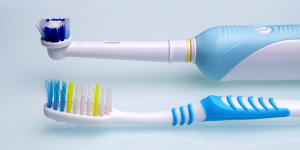 With the many options of toothbrushes available today, we understand that choosing the right one for you can be overwhelming. If you are considering changing your brush style, read more information below about manual, electric and sonic toothbrushes.
 When your general dentist refers to you as a periodontist, the first question many people may have is, “what exactly is a periodontist?” Well, to put it simply, periodontists specialize in the placement of dental implants and the treatment of periodontal disease. They are specialists who are trained to keep your gums healthy enough in order for you to be able to keep your teeth for life. Periodontists receive an extra three years of specialized training on top of the standard schooling/training that dentists go through.
 Don’t let
 The fact that nearly half of patients spend $2,500 or more per year on cosmetic treatments in the dental office such as teeth whitening, veneers and orthodontics proves the significance of an attractive smile these days.
 The AP concluded that floss does little for oral health, but it’s important to note that the evidence they cited was very weak at best. In fact, they said so themselves.
 While it is true that the most obvious effect of missing teeth is a gap in your smile, missing teeth can cause other problems that you might not be immediately aware of. For example, did you know that for every missing tooth you have you lose 10 percent of your chewing ability? Read on to get a better idea of how a missing tooth can affect your life.
 Give us a call if you notice any of these gum disease indicators or if it has been a while since you had your gums examined: