



Morris Perio

No Teeth? No Problem!

Are missing teeth causing you difficulty, discomfort or embarrassment? Don’t worry – we have all the facts about tooth replacement treatments and the effectiveness of dental implants as a long-term solution for missing teeth.

What are dental implants?
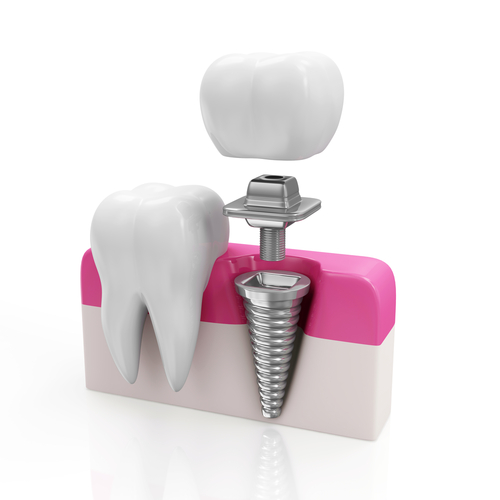
Dental implants are replacement teeth made of titanium. They are composed of an artificial crown attached to a screw that is surgically implanted into the jaw for stability. Implants are an effective treatment for missing teeth because they maintain the strength of the jaw.
There are a few alternative treatment options, some more lasting than others:
No Teeth No Problem
Flippers are temporary, removable plastic teeth. They are attached to a retainer for easy removal. Flippers are one of the most cost efficient tooth replacement methods; however, they are the least durable alternatives to dental implants and are considered short-term solutions until a more lasting treatment can be performed.

Fixed bridges literally “bridge” gaps caused by one or more missing teeth. A dental bridge consists of a false tooth, called a pontic, and two abutment teeth, which are crowns that anchor the bridge to the teeth on either side of the gap. Abutment teeth can be secured to both natural teeth and dental implants; however, anchoring them to natural teeth can cause damage.

Dentures are a common treatment for individuals missing all their teeth in one or both of their jaws. They are made of a removable frame that holds an entire set of teeth.

Removable partial dentures are removable frames that hold a partial set of teeth rather than a full set of teeth. This option is often considered for individuals who are missing some but not all of their teeth in one or both jaws.

Why choose dental implants?
Implants are the longest lasting treatment for missing teeth. With proper care, dental implants can last up to ten years or longer. Because they are surgically anchored into the jawbone, they function like natural teeth.

If you’re wondering is dental implants are right for you, give Morris Periodontics a call at Morris Periodontics, Lees Summit, MO Office Phone Number 816-554-2663 today!
Laser Periodontal Therapy

Periodontal (gum) disease is no joke – it goes deeper than gum tissue, potentially causing tooth loss and jawbone deterioration. That’s why we want to make sure you get the care you need to regain natural, healthy gum tissue. We take full advantage of laser technology to give you the best results with the least discomfort. Keep reading to learn more about our revolutionary treatment methods!

The goal

The goal of periodontal therapy is to stop gum disease at the root by tackling the source of infection. We target harmful bacteria that forms plaque and eventually calcifies to form tartar, or calculus, preventing it from irritating the gums. Our first priority is restoring your oral health, halting the progression of gum disease, but it is also our goal to reverse prior damage by reattaching infected gum tissue to the teeth.

Laser Periodontal Therapy

Conventional treatment

Traditional periodontal therapy – known as “scaling and root planing” or “root debridement” – removes the bacteria that cause gum disease manually. This non-surgical procedure involves the use of hand-held ultrasonic instruments to eliminate plaque buildup that forms inflamed pockets between the teeth and gums.

Laser therapy

Laser periodontal therapy can be used independently or to supplement conventional periodontal treatment. We use the Laser Assisted New Attachment Procedure (LANAP) method, which targets only infected gum tissue, for high quality results. Because it doesn’t require a scalpel or sutures, LANAP is less painful and less invasive than root debridement.

After removing the infected pockets, we expertly agitate healthy gum tissue to promote natural re-growth. Our treatment pairs with the body’s ability to regenerate gum tissue – the gums naturally reattach to the teeth and bone, making it harder for gum disease to come back once it’s been treated!

Benefits of laser therapy

  • Minimized post-operative pain, swelling and discomfort
  • Minimal bleeding
  • No incisions
  • No need for stitches
  • Shorter healing time
  • Cost efficient
  • Long-lasting results

Ask Morris Periodontics about your options for treating gum disease! We’re here to restore your oral health for the long run.

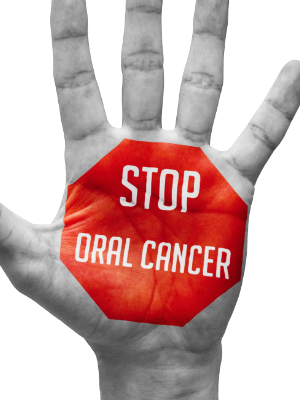
Get Checked, April is Oral Cancer Awareness Month!

Being that we are entering April, now is the time to be proactive and get yourself checked for oral cancer. According to the American Cancer Society, about 48,330 people will be diagnosed with oral cancer, and an estimated 9,570 people will die from oral cancer in 2016. In the spirit of April’s Oral Cancer Awareness, we urge you to receive regular oral cancer examinations. Remember—early detection saves lives!

Are you at risk?
The sad truth is that oral cancers are more than twice as common in men as in women, and the fastest growing group of oral cancer patients are young, healthy, nonsmoking individuals. It is more important than ever for young adults, as well as older men and women, to get regular screenings whether they think they’re at risk or not.

Get Checked

Knowing the risks can help you make educated decisions about your health. There are several risks that increase your chances of developing oral cancer:
• Smoking and using tobacco products have been a known long-term historic causes of oral cancer.
• Heavy alcohol usage also makes you more susceptible to develop oral cancer.
• The HPV virus, a sexually-transmitted disease, is the leading cause of oropharyngeal (the back part of the mouth) cancer.

What are the signs and symptoms?
The mouth is one of the body’s most crucial early warning signs in the fight against oral cancer. In between regular dental visits, it’s important to be aware of the mouth’s signs and symptoms. Remember, if you see any of these signs or symptoms, schedule an appointment at the office if you don’t see improvement within two-three weeks:
• Hoarseness, chronic sore throat, or change in voice.
• The development of white, red, or speckled (white and red) patches in the mouth.
• Lumps, thickening tissues, rough spots, crusty or eroded areas.
• Difficulty chewing or swallowing, speaking, or moving the jaw or tongue.
• A change in the way your teeth or dentures fit together when you close your mouth.
• Dramatic weight loss.
• Unexplained numbness, loss of feeling, or pain/tenderness in any area of the face, mouth, or neck.
• Unexplained bleeding in the mouth.

Don’t wait any longer. In the spirit of Oral Cancer Awareness Month, be proactive about your oral health, and get checked today!

Dental Implants: High Tech Teeth

What are dental implants? Dental implants are replacement tooth roots that provide a foundation for both fixed and removable replacement teeth. Like roots, dental implants are secured within the jawbone and not visible once surgically placed. Teeth replacement is not new to dental technology. Early civilizations practiced teeth replacements; archaeologists have discovered skulls where teeth have been replaced by cast iron and sea shells. Despite their primitive methods, some of these implants were fused with bone like modern dental implants! However, unlike the ancient cast iron or sea shell implants, modern implants are composed of titanium. Titanium is lightweight, strong, and biocompatible.

Dental Implants-High Tech Teeth

According to the American Academy of Implant Dentistry (AAID), dental implants have the highest success rate of any implanted surgical device — 98%. Dental implants are available in several designs that meet individual needs: single tooth replacement, multiple tooth replacement, implant supported prosthesis (removable), and an implant stabilized denture. Aside from meeting individual needs, there are a few other advantages to having dental implants:

  1. Improved appearance. Dental implants are designed to fuse with bone, and look and feel like your natural teeth.
  2. Improved comfort. Because dental implants become an extension of your natural mouth, implants remove the discomfort associated with removable dentures.
  3. Easier eating. Dental implants act as your natural teeth, allowing you to eat without the pain and discomfort that often accompany slipping of dentures.
  4. Improved self-esteem. Dental implants give your best natural smiling, helping build self-confidence!
  5. Improved oral health. Dental implants are the only proven way to prevent bone loss after the loss of natural teeth. The jawbone needs consistent chewing action to stimulate continual bone growth. Tooth/teeth replacement with dental implants offers a solution to prevent bone loss.
  6. With proper care, consistent brushing, flossing and routine dental visits, dental implants can last 40-years to life.

If you are interested in dental implants, or have any questions regarding the procedure, call Morris Periodontics at Morris Periodontics, Lees Summit, MO Office Phone Number 816-554-2663 today!
5 Facts About Gums

It’s trivia time! We’ve got some lesser-known facts about gums and oral care for you. Test your knowledge of gum health with these five facts!

5 Facts About Gums

Fact #1
Gum disease is caused by excessive plaque formation. We all develop plaque buildup, even with good brushing and flossing habits. This is why regular dental checkups are so important! Dental cleanings every six months clear away plaque that unavoidably starts to build up under the gum line and harden to form tartar, or calculus.

Fact #2
Gums should not bleed when you brush or floss. Many people think this is normal, but it is actually a sign of gingivitis, a mild form of gum disease. Although you may not want to floss if your gums are bleeding, flossing is actually the best way to treat the cause of infection and stop the progression of gum disease.

Fact #3
Excessive brushing can cause your gums to recede. For the most effective tooth brushing that won’t damage gum tissue or enamel, hold your toothbrush at a 45-degree angle and move the bristles in gentle circular motions. Avoid brushing teeth with abrasive substances.

Fact #4
Gum disease affects more than just your gums. Infected gum tissue can cause more serious problems such as tooth loss and jawbone deterioration. As bacterial growth destroys gum tissue, the gums begin to recede. This causes teeth to lose their anchor in the gum and fall out. If missing teeth are not replaced, the jawbone atrophies from underuse because it doesn’t have teeth to support.

Fact #5
Bad breath isn’t just caused by the food you eat – it can also be an indicator of your gum health. Food residue between teeth leads to bacterial growth, which in turn can cause bad breath. In the early stages of gum disease, bacteria begin to grow between the teeth and the gums, forming infected pockets that contribute to your breath.

Keep these facts in mind when you perform your daily dental care routine – they’re game changers! Give Morris Periodontics a call at Morris Periodontics, Lees Summit, MO Office Phone Number 816-554-2663 to learn more about gum health and overall oral care.

Mouthwash the Multitasker


If you thought that the only benefit of mouthwash was minty smelling breath, you may be pleasantly surprised to know that there are far more benefits that come along with the use of mouthwash. When mouthwash is used as part of your oral hygiene routine you are able to reap the benefits all day long!


Periodontal DiseaseMouthwash

  • It might be obvious but, mouthwash reduces your risk of periodontal disease by cutting down on the quality and quantity of dental plaque.

Cavities

  • Mouthwash can also lessen your risk of developing cavities if it has fluoride as an active ingredient. When fluoride is present in your mouthwash, be sure to use it as the final step in your oral care routine. Fluoride needs time to absorb without getting washed away by a drink or water with brushing. Let approximately 30 minutes pass before enjoying food or beverage.

Pregnancy

  • Perhaps the most surprising benefit of mouthwash is that it can aid in preventing pregnant women from going into early labor! Pregnant women who have periodontal disease run the risk of going into early labor because bacteria at the gum line is able to get into her bloodstream. This increases the body’s inflammatory markers which in turn can stimulate contractions.

Providing Comfort 

  • Mouthwash can soothe canker sores by detoxing the area. The reduced amount of bacteria at the site results in a soothed feeling.

If you haven’t already adopted mouthwash into your oral hygiene routine, we suggest you do! Not only will your mouth feel and smell fresher, the added benefits are worth the small amount of effort. Ask us what kind we recommend for you at your next visit.

Healing people with lasers is not science fiction fantasy! It turns out that laser treatment for gum disease is a modern day reality. When this powerful treatment is in the right hands and done with proper care, laser periodontal therapy can be an effective, efficient way to treat certain issues associated with gum disease.


What does it treat?

Laser-PerioLaser treatment is an option available for treating gum disease. It is important to catch gum disease early before it creates havoc in your mouth. The best treatment is an ounce of prevention. Taking good care of your teeth, avoiding smoking, and regular check ups are a great place to start.
 

What is different about laser treatment?

Normally gum and periodontal disease are treated with scaling and root planing. This is the process of removing plaque and tarter from teeth and roots to allow gums to grow back healthy.


With laser treatment, a precise laser removes infected tissue near the base of the tooth, where the periodontist might not otherwise be able to reach non-surgically. The periodontist can then remove plaque and smooth out the root to avoid future infection.


While laser treatment is still being observed and tested, it has shown to be efficient and effective, given that it is so precise and less invasive than surgery. It also does not require anesthetic. Laser periodontal treatment is proving to be a great option for people who need quick, effective gum treatment.


Do you have questions about laser periodontal treatment? Call our office today! We would be glad to talk you through it!

Dental Implants: FAQ

Dental implants are becoming more and more popular these days, and we can see why. The ability to replace a missing tooth with a brand new one is an attractive concept.

Dental-Implant-FAQ

We know that people often have questions about implants, so we have put together this page to answer those common questions:


What is a dental implant?

Implants are artificial teeth that function exactly like your natural teeth. We take a titanium screw, attach it to your jaw, allow the jaw to grow around the screw, and then fit the new tooth in right where the old one used to be. It will feel exactly like your old tooth used to when you had it.


How quick is the procedure?

It depends on just how strong and healthy your jaw is. Your jaw may very well be ready to receive the new tooth quickly, but it may also take time to grow around the screw. If your jaw is weak, we can also transplant bone from other parts of your body first, via another procedure called “bone grafting”, to grow a fresh, strong base where the screw can be inserted. If that is the case, the whole process takes more time, but again, it depends on your case.


Does it hurt?

No. Medications and anesthesia are available to reduce or eliminate pain. You shouldn’t feel a thing.


Since it’s an artificial tooth, do I need to care for it as if it were alive?

You should clean and maintain your implant exactly like you do with your living teeth. Though the implant isn’t going to die, it can still allow bacteria to build up, like your other teeth do. Clean all of your teeth with care, and they should all stay healthy.


How long do they last?

If your implant is taken good care of, it should last a long, long time. Perhaps 40 years and sometimes even a lifetime!


What should I eat after the procedure?

Eat soft food. We will help you decide on a diet that works for you depending on the specifics of your case and treatment.


Have more questions? Call us! We would be glad to set up an evaluation.

Winter Oral Health Tips

If you get a runny nose this winter, you may be tempted to breathe through your mouth. While we know cold weather wreaks havoc on our lips (let’s just call it “Chapped-Lip Season” instead of winter), breathing through your mouth also triggers sensitivities and other oral health issues! Itchy skin and dry mouth are just two things that can irritate you this season however, here are some of tried-and-true methods to keep your mouth healthy all winter long.

Brush UpWinter-Oral-Health-Tips

Brush gently with a soft toothbrush. Aggressive brushing can cause more sensitivity! If you find that your teeth are feeling extra sensitive, use a desensitizing toothpaste. Rinsing with mouthwash daily and flossing your teeth will stimulate your gums so that they are less likely to recede in the cold months.

Drink Up

We know our bodies need at least eight glasses of water for optimal health, but did you know it’s important for oral health too? Drinking water rinses out your mouth and keeps it moist—keeping bacteria at bay. Moisture depletion can be maintained with proper hydration reducing the feeling of a dry mouth.

Bundle Up

Our teeth may be hard, but they are not immune to extreme cold! In fact, fluctuating in temperature too drastically can cause your teeth to expand and contract, this may cause hairline fractures in the surface. Limit your time in cold weather, and when that isn’t an option, trap heat near your face by wearing a scarf or mask when you have to brave the cold!

What Type of Floss Should I Use?

We know we don’t have to tell you this—but flossing at least once a day is key to healthy gums and teeth! And while studies have shown it doesn’t really matter what kind of floss you use (as long as you do it!), people are more likely to use floss that’s easy for them to use. We’ve broken down the different types of floss, so you can decide which is best for you!

Waxed and UnwaxedWhat Type of Floss Should I Use

Waxed floss will glide easier, but there isn’t really any other difference between waxed and unwaxed floss. If your teeth are close together, try one of these.

Ultra Floss

Ultra floss is a thicker floss that can be stretched to fit between tight spaces between your teeth; this is a good option if the closeness of your teeth varies.

Tape

Dental tape is a relatively new addition to the floss family. This fatter floss option is made from plastic and has a bit more stretch. If you have wide spaces between your teeth or have sensitive gums, try this ribbon-like floss.

Flossing picks

If you find yourself on the go—or if you hate the feeling of floss wrapped around your fingers—try disposable picks that have handles to make flossing a little easier!

Oral Irrigators

Recent trials are inconclusive on whether using a water flosser is as effective as traditional floss, but studies agree that using an oral irrigator is better than not flossing at all!

So which one is the best? Any one you’ll actually use! Don’t hesitate to ask us for different types of floss at your next cleaning to see what works best for you!