



Morris Perio

Dental Implants- What to Expect

If you have been considering dental implant surgery, you might be concerned about what to expect. Questions such as: “Will I need to take time off of work?”, “Will I need bone grafting?” and “How quickly will I heal?” are not uncommon. We get that you’ve got questions, and we’ve got answers.


Placing a dental implant is a process that is different for each patient. The healing process and the steps required all depend on what’s going on in your mouth. The only way to know exactly what to expect is to consult with us at our office, but we’d be happy to give you an overview here:

Can I go back to work right away?
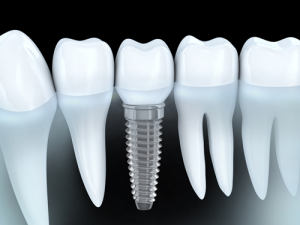
Dental-Implants-What-to-ExpectYou may have read that it can take months to completely heal from a dental implant procedure. This is true, but a little misleading. Many patients are able to return to work the next day, but the mouth takes time to truly be ‘good as new’. It all depends on your specific procedure. We recommend that you plan to rest for a day. Keep in mind that your body will heal faster if you avoid exhausting yourself. If you take good care of yourself, you should be back to work very quickly.

How can I care for myself while I heal?

After the surgery, you will need to go easy on your mouth. Just like after any oral surgery, we recommend eating only soft foods for at least two weeks. You may be given antibiotics and instructions to rinse with salt water. Keeping your mouth clean is important to prevent infection. Avoid smoking.

About Bone Grafting

It may be the case that your bone is not strong enough to support the implant. In this case, bone grafting may be necessary. During this routine procedure, we take bone from a stronger part of your jaw or another part of your body, implant it into the jaw and are thus able to encourage your body to begin growing strong, new bone in its place. If you only need a small amount of bone, it may be possible to do the procedure during the same appointment as your implant surgery. However, it may be the case that you need to wait for bone growth to occur prior to us placing the implant. Every case is different.

Let us properly inform you on what you personally can expect! Schedule an appointment today!

Dental Implants: What’s All The Hype?

Dental Implants What's all the HypeThese days, we all know someone who has a dental implant, and you have probably heard us champion these teeth substitutes, as they become more and more the common cure for missing teeth!

But why?

We think that’s a valid question and it deserves a good answer!

Bone Loss
Any oral health professional will tell you that living with a missing tooth can have negative consequences that go well below the gum line. The problem doesn’t stop at the single tooth that goes missing. The jawbone also suffers. When there is not a tooth set in the jawbone offering regular stimulation, you lose bone mass in that area. That loss of jawbone contributes to a decline in facial aesthetics as the jaw shrinks away. The loss of jawbone also means that when you do have an implant later in life, you will likely require extensive bone grafting prior to the implant procedure. Traditional tooth “replacement” methods such as dentures and bridges do not solve the problem of bone loss.

In contrast, dental implants eliminate these problems and encourage a healthy, strong and adequate jaw by integrating with it (also known as: osseointegration). The implant then provides regular stimulation (as you chew food), and keeps the jawbone in proper health.

Lifestyle and Diet
Most people with dentures report that in addition to living in fear of their dentures falling out in social settings, they also must live with a restricted diet, unable to enjoy the foods that they previously ate. This same restricted diet goes for those with wobbly bridges and crowns as well. More often than not, those restricted foods are some of the healthiest ones, such as crunchy, fibrous fruits and vegetables.

Dental implants look and feel nearly identical to your regular teeth, and are second only to your natural teeth when it comes to form and function. Dental implants allow you to eat and live freely with a healthy diet and without fear. In addition to that, dental implants have a 98% success rate and can often last you for a lifetime!


8 Tips for Preventing Oral Cancer

Preventing-Oral-CancerWhile we cannot all necessarily prevent cancer from happening, with most cancers, including oral, head and neck cancers, there are things that you can do (or not do!) to reduce your risk.

  1. Quit Smoking: After five years of quitting smoking, your risk of oral cancer is cut down to just half of that of a smoker.
  2. Limit Alcohol: Excessive alcohol use is the second largest risk factor for oral cancer. Limit drinks to one per day for women and two per day for men.
  3. HPV Vaccine: HPV is the leading cause of oropharyngeal cancer (the back of the mouth and throat). HPV is also responsible for a small number of oral cavity cancers (the mouth).
  4. Self-Exams: Be an advocate for your own health by regularly examining your mouth with a mirror and flashlight. Don’t forget to look under the tongue! Watch for unusual bumps, patches, different coloring, and report any to us that don’t heal within 14 days. Feel your lips, cheeks, throat and neck for unusual bumps and masses. There are a number of online guides for performing a thorough at home oral cancer self-exam.
  5. Have Regular Checkups: Oral health professionals such as dentists and oral surgeons are the second line of defense (after you) in terms of screening for oral cancers. Be sure to ask us any questions that come up during your exam.
  6. Eat Well: A healthy diet includes plentiful vegetables and fruits, is low in sugar and saturated fats, and includes lean sources of protein and whole grains. Incorporate new foods into your diet slowly for long lasting results.
  7. Exercise: Aim for 30 minutes of moderate exercise a day or more!
  8. Get Adequate Sleep and Minimize Stress: A lack of sleep and stress both contribute to inflammation which has long been recognized as a player in the cancer game.

Understanding Bone Grafting

Understanding-Bone-GraftingTooth loss as a result of periodontal (gum) disease, facial trauma or tooth extractions can cause the jaw bone to atrophy, as it no longer has something to support. As if bone deterioration isn’t bad enough, tooth replacement requires a solid foundation, meaning that patients with jawbone degeneration aren’t candidates for dental implants. Fortunately, our state-of-the-art restorative techniques allow us to augment areas with inadequate bone structure so we can restore your smile! We have the answers to all your bone grafting questions below, so keep reading!

What is bone grafting?

During a bone grafting procedure, the jawbone is restored so it can support a dental implant. An incision is made in the gum and the bone graft material is transplanted into the jawbone. There are four types of bone grafts:

  1. Autogenous: bone grafts are harvested from other parts of your body, such as the chin or hip. They are the most effective because using your own living cells promotes natural bone growth.
  2. Allogenic: bone grafts are donor grafts collected from tissue banks.
  3. Xenogenic: bone grafts are harvested from other species, typically bovine donors.
  4. Synthetic: bone grafts are artificial bone material composed of calcium phosphates

When is bone grafting necessary?

Bone grafting procedures are routinely performed in preparation for dental implants. This is due to the fact that the implants are unable to anchor themselves into a stable foundation unless the jawbone is adequate.

How long after bone grafting can I get dental implants?

Minor bone grafting can be done the same day as dental implants, but major bone grafting requires downtime between procedures. Dental implants will be placed 4-9 months after your bone grafting procedure once the major bone grafts have had time to fuse with your natural jawbone. We will decide the best time to place your dental implants based on your recovery.

Give us a call if you think bone grafting can get you on track to replace missing teeth for natural, lasting, functional results!

Dieting and Dental Health

Giving up processed foods and artificial sugars is a great way to improve our overall health, but sometimes our “healthy” habits can actually deprive us of vital nutrients. Internal health is an important factor when it comes to oral hygiene, and cutting meat, dairy products or sugars out of your diet could lead to serious conditions such as gum disease if you don’t find the right substitutes. Keep reading for a list of nutrients you might be missing and some tips for balancing your diet with your oral health!Dieting-and-Dental-Health

Zinc in saliva and enamel prevents the buildup of bacteria, which eventually turns to tartar or calculus. It is essential to preventing cavities and even gum disease (periodontitis). If you notice a metallic taste in your mouth, zinc deficiency may be to blame, as it causes a buildup of bacteria in the mouth.

  • Zinc-rich foods: Seafood, lean meats, dairy products
  • Alternatives: chickpeas, cashews, almonds

Gum swelling or bleeding may be a sign of Vitamin C deficiency. Vitamin C is necessary for collagen production, which is an essential part of the connective tissue in the gums surrounding the teeth.

  • Vitamin C-rich foods: citrus fruits
  • Alternatives: Bell peppers, tomatoes, sweet potatoes

A lack of calcium weakens the gums, and people who don’t eat animal and dairy products may be increasing their risk of periodontal disease. Calcium prevents bone degeneration, keeping the jaw strong and healthy so bacteria doesn’t destroy the bone that supports the teeth.

  • Calcium-rich foods: dairy products
  • Alternatives: chickpeas, broccoli, collard greens, oranges

Vitamin D works with calcium to promote strong bones. It increases calcium absorption, preventing tooth loss and jaw bone degeneration.

  • Vitamin D-rich foods: Fatty fish, egg yolk
  • Alternatives: mushrooms, tofu, dairy alternatives (i.e. soy milk)

If you notice a burning sensation in your mouth, specifically on your tongue, or frequent canker sores you may be suffering from iron deficiency. Iron deficiency leads to reduced red blood cells and decreased oxygen flow.

  • Iron-rich foods: Red meat, poultry, seafood
  • Alternatives: dried fruits, beans, dark leafy greens

Finding a solution to your symptoms may be as simple as picking up a few extra ingredients at your local supermarket! Adding some of these nutrient rich foods to your diet can help you get back on track with your oral health and wow us next time you visit our office!

Don’t Forget Your Gums

Don't Forget about GumsWhen most people think about oral health, they consider their teeth and a sparkling smile. But your gums are an important part of your dental as well as overall health. Proper care of your gum tissue can prevent disease and help you keep those pearly whites for years to come! Here’s some information on proper care of gum tissue and facts about gum disease we think you should know.

Causes of Gum Disease

Just like your skin covers and protects your muscles and bones, your gums protect your teeth and the structures that hold them in place. When food particles and bacteria create plaque build up and invade the small areas between your teeth and gums, infections can form. Left untreated, these infections can penetrate gum tissue causing periodontal disease and may be painful, difficult to treat, and put your teeth at risk.

Three Stages of Gum Disease

-Gingivitis: this gum inflammation is the earliest form of gum disease. You may notice some bleeding during brushing and flossing. At this stage, damage can be reversed, since the bone and connective tissue that hold teeth in place are not yet affected.

-Periodontitis: at this stage, the supporting bone and fiber supporting your teeth are damaged. You may have pockets forming below the gum line that traps food and plaque. Proper dental treatment and home care can prevent further damage.

-Advanced Periodontitis – the final stage of gum disease. The fibers and bone supporting your teeth are destroyed, which causes teeth to shift or even loosen. This can affect your bite and if aggressive treatment can’t save them, you may lose teeth.

Treatment

Early stages of gum disease can be reversed with proper brushing and cleaning to help keep plaque from building up. A professional cleaning is the only way to remove hardened plaque, or tarter, on teeth and below the gum line. If your condition is severe, root planing, a procedure to smooth irregularities on the roots of your teeth to reduce the potential for plaque build-up, may be performed.

Know the Early Signs of Gum Disease

Because advanced gum disease is irreversible, prevention is key. If you notice any of these symptoms, please contact us for an evaluation:

-Red, puffy or swollen gums

-Bleeding while brushing or flossing

-Receding gums that make your teeth look longer

-Gums that have separated or pulled away from teeth, creating a pocket

-Changes in the way your teeth fit together when you bite

-Pus coming from gums

-Constant bad breath or a bad taste in your mouth

Although gum disease is most common in adults, it can occur at any age. It is important to teach your children that good brushing and flossing routines will protect their teeth as well as their gums. Gums are a barrier that help prevent inflammation that may also be a factor in other diseases. In fact, gum disease has been linked to diabetes, heart disease, stroke, and pre-mature births. So don’t forget your gums when taking care of your health!

6 Reasons for Considering Dental Implants

6 Reasons-for-Considering-Dental-ImplantsLoss of permanent teeth is more common than you’d think. The average adult age 20-34 is missing 1 permanent tooth, the average adult age 35-49 is missing 3 permanent teeth, and the average adult over the age of 50 is missing 6 permanent teeth! There are a variety of different tooth replacement options, but we believe that dental implants offer the most success, with the best aesthetics and functionality. Take a look at just a few of the many benefits of dental implants!

Long-lasting Dental implants are designed to be the permanent solution for missing teeth. Dental bridges last 5-10 years and crowns last 10-15 years, but dental implants can last 20 years, even a lifetime with proper dental care, making them a cost-efficient alternative to other modes of tooth replacement.

No cavities Because they are made of titanium, dental implants are not subject to decay. They also don’t put stress on other teeth, which helps avoid tooth erosion.

Like natural teeth Dental implants are natural-looking and fully functional. Unlike dentures, which are bulky and removable, cause sores and require the application of adhesive, dental implants are comfortable, permanent fixtures that don’t interfere with eating or speaking. And, because pressure is applied to the jaw bone when you bite down on dental implants, chewing with dental implants doesn’t feel any different from chewing with your natural teeth.

Preserve jaw bone Without a tooth to support, the jaw bone begins to atrophy, and this bone degradation makes the replacement of missing teeth nearly impossible without the help of jaw regenerative procedures such as bone grafting.

Appearance Your teeth play an important role in supporting your facial structure. Missing teeth can cause your features to sag and your face to lose shape, which tends to have an aging effect. Replacing missing teeth works wonders for improving your appearance and helping you look younger.

Tooth stability When you’re missing a tooth, your surrounding teeth are no longer stabilized and they start to shift out of position. Dental implants secure teeth in place and, as a result, prevent severe problems such as periodontal disease and further tooth loss.

Schedule a consultation with us if you’re ready to transform your smile!

Weighing the Costs of Dental Implants

Weighing costs of Dental ImplantsWhen compared to the costs of other tooth replacement options, boy do dental implants seem expensive!  Yet you may be surprised to learn that, in the long run, dental implants can be more affordable than their traditional counterparts.  Understanding this procedure and the factors that determine the costs can help you decide if dental implants are a good investment for you!

What is a Dental Implant?  A dental implant is a permanent replacement for lost teeth. It is made of an artificial tooth firmly held in place by a tooth root made of titanium (which is biocompatible) that is surgically placed into your jaw.  Dental implants help stabilize the jaw and the bone around it to avoid future bone loss and maintain the shape of your jaw.  They never have to be removed and feel more natural and comfortable than dentures.  And unlike bridges or crowns, which are cemented in, the chances of slippage or shifting are eliminated.  With implants, talking and eating become worry free.

Steps In a Dental Implant Procedure.  We will first use extensive imaging to determine bone health, height, and thickness to assess your bone and teeth structure carefully. The surgery itself is done in our office in separate stages.  First, the implant is surgically placed into your jawbone, completely hidden within your gum tissue.  Once the implant has integrated into your bone, a healing process of about 4 to 6 months, the next stage is the placement of the abutment, or the post that penetrates the gum and will connect the replacement tooth to the implant.  The final stage involves attaching your artificial tooth (made from impressions of your natural tooth) to the abutment.  If more than one tooth is being replaced, a removable bridge is used, as it is more affordable than implanting each tooth separately. For a bridge, it takes only one implant on either side to span an area holding several teeth.  The bridge snaps into place for a more permanent and natural fit than dentures.

Factors That Affect the Cost.  While dental implant surgery is a safe and routine option, it is a complex procedure that takes time and expertise to be done effectively.  There are many factors that will influence the final costs including what X-ray and CT scans are necessary to evaluate and assess the implant area and the brand and material of the post, abutment and artificial teeth.  However, the biggest cost factor is the complexity of the surgery itself.  For example, how many teeth are we replacing and what is the location? Will additional procedures, such as bone grafting or sinus elevation be required?  We do our best to make sure that your estimate includes all of the possible costs of each of the steps of your procedure.

While dental implants may seem expensive, they are often more affordable in the long run than traditional restoration methods such as crowns and bridges, which are more vulnerable to damage and usually require repairs or replacement every few years.

Dental implants are known to have a 95% success rate when completed by professionals with the right experience and training, such as us!  Because dental implants offer a permanent solution, are natural and comfortable, and require little maintenance, they are a cost effective choice for most of our patients.

Five Foods for Healthy Teeth

food tips for healthy teethWe all know that foods high in sugar and acid are bad for teeth, but did you know that some foods are actually good for them?  Incorporating these dental friendly foods into your family meals can both fight tooth decay and prevent gum disease.  Here are five oral health friendly foods!

Almonds, Brazil Nuts, and Sesame Seeds.  These foods contain phosphorous, magnesium, potassium, zinc, and most importantly, calcium.  Dietary calcium is not only good for your bones, it may actually contribute to tooth remineralization and fight tooth decay.  Make sure to get the unhulled variety of sesame seeds, which are incredibly high in calcium.

Strawberries, Kiwi, and Citrus Fruits.  These fruits have the highest concentration of Vitamin C, which helps to increase collagen in gum tissue and prevents gum disease. 

Onions. Toss some raw onion on your salad or eat them on your hamburgers.  Onions contain powerful bacteria fighters because of their sulfer-containing compounds and are natural cavity fighters.

Shitake Mushrooms.  Recent studies show a natural sugar found in shitakes, called lenithan, specifically targets the bacteria which causes gingivitis (gum inflammation) and tooth decay while leaving non-harmful bacteria alone. 

Apples and Celery.  Water rich fruits and vegetables stimulate saliva production, which rinses teeth of bacteria.  With their high fiber content, they act as natural tooth brushes, scrubbing your teeth as you chew, removing plaque and bacteria that may otherwise build up.

These simple everyday foods are great choices for snacks or to add to meals your family already enjoys.  Put onions or shitakes as toppings on your pizza.  Serve celery and apples with peanut butter and make a smoothie with your strawberries and kiwi.  Nuts can be eaten as a snack on their own or try them as nut butter spread on toast.  You can even throw nuts and sesame seeds in a stir fry for added texture and flavor as well as the nutritional benefit.

Green Tea.  Besides these five teeth healthy foods, you can even get a boost for your oral health by drinking this powerhouse liquid! Green tea contains “catechins” that actually fight inflammation and control bacterial infections.  One Japanese study found that regular green tea drinkers had less incidence of periodontal disease compared with people who drank the tea irregularly.  So try drinking green tea instead of that second cup of coffee or have a refreshing green iced-tea on a hot afternoon.

Besides brushing and flossing, what you eat can make a difference to your oral health.  It’s nice to know you can eat foods that taste good and be doing something good for your teeth at the same time.  Now that’s something we can all smile about!

Grow Your Own Bone: Bone Grafting Is Routine!

GrowYourOwnBoneIt seems like something out of a science fiction movie, but with our help, you can easily re-grow bone to treat many common disorders in the mouth and make it dental-implant ready!  Bone grafting is a common procedure done right in our office. Here is a simple explanation of this effective treatment option.

Reasons for Bone Grafting.  There are many different reasons that a person loses bone support in the jaw.  Sometimes it is due to injury, sometimes it because of missing teeth, and other times it is a due to a developmental defect or periodontitis.  Bone graft surgery, also called regenerative surgery, is used to replace bone and soft tissue by actually stimulating the body’s natural ability to re-grow the lost tissue.   If your jawbone is inadequate to support dental implants, bone grafting can be used to build a sturdy foundation for implant-supported teeth.

It’s A Natural Process.  With bone grafting surgery, a piece of bone is removed from another area of your jaw or your body, often the hip, and is transplanted into your jawbone.  Sometimes we may use donor or synthetic graft material. Your body uses the implanted bone graft material as a frame on which it can grow new bone.  Over time and with your body’s own healing mechanisms, the grafted bone fuses and becomes an integrated part of your existing bone.  Bone grafting is a safe and very successful procedure that can be done in the office under local anesthesia.  After the procedure, you will be given antibiotics and pain medication if needed.  Swelling can be treated with ice packs applied to your face.  Most patients proceed with their normal life the next day.  Be sure to follow medication instructions and  keep your mouth as clean as possible while you heal.

Healing Times. Healing time following bone grafting depends on the amount of bone loss and the location of the graft area. Maintaining a healthy amount of bone tissue around your teeth is crucial to keeping up your oral health.  We are more than happy to explain different materials and techniques that can be used for an optimal outcome.

Bone grafting allows your body to rebuild itself.  It can be a great way to restore your natural jaw line and smile.  Let us help you decide if bone grafting is the right procedure for you!