


Morris Perio

Fluoride: Nature’s Cavity Fighter
Fluoride Natures Cavity FighterNobody likes coming to the dentist to have a cavity filled!  Many of our patients ask us how stop a cavity before it happens.  Many people have heard of fluoride but wonder how it works and if it is safe.  We wrote this blog to answer your questions about fluoride and to help you understand its benefits and how to use it effectively.

Fluoride occurs naturally in certain foods. You might be surprised to learn that it can be found in black teas and raisins, and in our water sources, such as lakes and rivers.  And, because it provides such good protection from tooth decay, it has been added to dental products to help prevent cavities.

Fluoride works for both children and adults.  It’s true! Before teeth even erupt through the gums, fluoride taken in from certain foods and supplements makes tooth enamel stronger and therefore more resistant to decay.  After teeth erupt, brushing with fluoride toothpaste helps rebuild (remineralize) weakened tooth enamel, reversing early signs of cavity formation.  In addition, the fluoride you consume becomes a part of your saliva, constantly bathing your teeth with tiny amounts of the cavity fighter. While it is critical for infants and children to be exposed to fluoride when primary and permanent teeth are forming, new research indicates that topical fluoride is just as important in fighting tooth decay for adults!

Use the correct amount of toothpaste to benefit your teeth. While all toothpaste removes plaque (a thin film of bacteria that can cause gum disease and tooth decay), only toothpaste with fluoride can prevent tooth decay by making teeth stronger.  Make sure you’re using the correct amount of toothpaste with your children!

For very little ones, under 3 years of age, parents and caregivers should begin gently brushing teeth as soon as they come into the mouth with an amount of fluoridated toothpaste the size of a few grains of rice.

For children ages 3 to 6, a pea-size amount of toothpaste is best.  Everyone should brush their teeth twice a day and make sure to supervise children to help instill good habits.

Some mouth rinses also contain fluoride.  You may already be protecting your teeth with fluoride without even knowing it!  However, mouth rinses should not be used with children under the age of 6, as they may not be able it use it appropriately.

You may have fluoride in your water. Your community may have chosen water fluoridation (simply adding fluoride to drinking water) as a public health benefit.  Water fluoridation is safe, effective, and healthy.  The Center for Disease Control has noted water fluoridation as one of the ten best public health achievements of the 20th century.

For your best dental hygiene routine, ask us during your next visit about the right fluoride products for you and your family. Your oral health is our priority so we want to answer any questions that you have. Armed with the right information, your family can have healthy teeth for life. Contact our office to schedule your next visit! We can’t wait to see you soon!

Gingivitis vs Periodontitis

GingivitisvsPerioDid you know that gingivitis isn’t actually gum disease? Most are surprised to find out that gingivitis is actually the inflammation of your gums that if untreated will lead to periodontitis, otherwise known as gum disease. Rest assured, not all gingivitis progresses into gum disease, but that doesn’t mean you shouldn’t take it seriously. Early on in the stages of gingivitis, plaque starts to build up that causes gums to become inflamed but at this stage no irreversible harm has been done. So what’s the story and how do you know if you have periodontitis?

When your teeth start to become affected after untreated gingivitis, that’s when you need to start worrying. Not brushing and flossing will cause gingivitis to progress to periodontitis. When the inner layer of gum and bone pull away from each other and form pockets, food and sugars get stuck and cause further infections that can lead to tooth loss. Preventing the disease is as simple as brushing and flossing! Plaque build up is the #1 cause of gum disease and tooth loss. 

The gums anchor teeth in and when periodontitis occurs, your gums have eroded to the point teeth actually become loose. This is a dangerous stage but there’s still hope!  We are able to measure the amount of exposed tooth in patients with periodontitis and are trained to clean deep pockets that have formed, allowing gums to heal.

Remember:  it all starts with plaque! Brushing and flossing keep gingivitis from occurring and reduce the chance of tooth loss in the long run. It’s easy to let gingivitis get out of control! Make sure to visit us regularly to ensure you’re not in the early stages of periodontitis.

Osseointegration: Big Word, Simple Concept!

osseointegrationWas this word the invention of an evil doctor who loves long and complicated words? No! Osseointegration actually derives from the Greek osteon, bone and the Latin integrare, to make whole. It’s a physical process that was first observed by Swedish researchers in the 1960’s and refers to the functional connection between a titanium implant and living bone. Simply put, without osseointegration, dental implants wouldn’t work!

Osseointegration is a natural process:  When the titanium dental implant connects to bone cells, it is locked into the jawbone, forming a solid bond.  While the process is natural, the implementation isn’t simple. Implant healing times and initial stability depend on implant characteristics and to a large extent on your doctor! We have ample experience in placing dental implants and therefore can ensure that you receive the best care and outcome when it comes to implant surgery and the healing process.

The first evidence of the bone bonding with the implant occurs after a few weeks, while a more robust connection progresses over the next months or years. The osseointegration process will make the implant resistant to external shocks over time, but it can still be damaged from trauma or poor care.   

The benefits of dental implants can’t be overstated!  Not only do they give you a fully functioning bite back, they also prevent your jawbone from deteriorating and protect your facial profile.

Give us a call if you have questions about the dental implant process!

Gum Disease Risk Factors

GumDiseaseRiskFactorsHere’s a concerning statistic:  according to the Centers for Disease Control and Prevention, 70% of Americans who are over the age of 65 have gum disease. Although brushing and flossing are key factors in preventing gum disease, there are other elements that can contribute to tooth loss as well.

Smoking:

Smoking may actually be one of the most significant risk factor in the development of gum disease. Tobacco is a powerful substance that can damage teeth permanently and actually aid in the progression of periodontitis. Studies have shown that using any kind of tobacco product increases the risk of gum disease.

Stress:

You might not believe it, but stress is actually a risk factor and can cause gum disease to progress more quickly. Stress is linked to many health issues such as cancer and hypertension. Stress takes a toll on your body and makes it hard to fight off infections. Even infections in your gums!

Genetics:

Sadly, some people just may be more susceptible to gum disease than others. These people need to try harder and brush more often to fight off gingivitis and plaque build up.

Clenching and Grinding:

Grinding your teeth is bad for your teeth’s overall health. Excess force on the tissues that support your teeth can encourage gum disease to progress.

Medications:

Certain medications can upset your oral health and cause gum disease to progress faster. Anti-depressants and certain heart medications are the biggest culprits. If you’re taking any meds and begin to see a change in your overall oral health, please let us know at your next appointment.

Poor Nutrition and Obesity:

Your diet is incredibly important and affects your overall health. Eating foods low in important nutrients weakens your immune system and makes it harder for your body to fight infections. Gum disease starts with infections, which is why it’s important to take care of your body and think about your overall health.

Make an appointment with us as soon as possible if you think you might be in the early stages of gum disease!

What’s In a Bone Graft?

The practice of bone grafting is nothing new. In fact, it goes back hundred of years to a time when a Dutch doctor implanted a dog’s bone into an injured soldier’s skull. The soldier later wanted it removed but it could not be removed, as it had bonded so closely to the bone. This brings up a very common question that we hear in our practice: What is a bone graft made of?

Whats-In-a-Bone-GraftWhat the Dutch doctor didn’t know was that the implanted bone was likely resorbed by the patient’s body and replaced with his natural bone. This natural process is called “guided bone regeneration”, and it is one of the reasons that bone grafting has worked so well over time!

Naturally, patients are concerned about where their bone grafting material has come from. But in all cases, we stress that the material that we implant is not the final material that you will have in there. Bone grafting material is really just a place-holder, it encourages (and fools) your body into producing more bone in that site, and in the process resorbs the material that we have implanted.

Here are some common sources for bone grafts:

  • The skull, hip, and lower leg bones are very effective and common donor sites.
  • Tissue banks may be used when more bone is needed.
  • Shavings: If we drill into your jaw, naturally there will be shavings that are produced during the procedure, and often they make ideal bone grafting material!
  • Synthetic bone grafting materials.

It is natural to be concerned about what type of tissue we are implanting into your body! Please don’t hesitate to ask us questions about this or your other upcoming procedures.

Is Periodontal Disease Contagious? And other questions…

In our practice, we hear many great questions about periodontal disease and gums in general. So, to help educate our patients better, we have compiled a list of the most frequently asked questions for you here:

Is-Periodontal-Disease-ContagiousQ: Is periodontal disease contagious?

A: Yes and no. The disease, which is an inflammatory response to bacteria under the gums, itself is not contagious. However, that bacteria can be spread through saliva, which could in turn cause periodontal disease in another person. To be safe, don’t share utensils or toothbrushes in your house.

Q: Can children get periodontal disease?

A: No. Periodontal disease has only very rarely been found in children and adolescents. However, it’s never too soon to adopt good healthy gum habits! Teach your kids to brush twice and floss once every day.

Q: Do I need antibiotics to get rid of the bacteria?

A: Possibly. A number of factors go into our determination about whether a patient needs topical antibiotic treatment after a periodontal cleaning. If you do need it, it will be applied under the gums during treatment.

Q: Are diabetes and periodontal disease related?

A: Yes, periodontal disease is a common complication of diabetes, most likely because diabetes makes a person more prone to infection. New evidence also shows that good perio health may have a positive effect on blood sugar levels as well!

Q: What about heart disease?

A: This is less clear, however several studies have shown that gum disease may increase the risk of heart disease as well.

As always, we are here to help. If you have additional questions that don’t appear on this list, give us a call!

The Science Behind Oral Cancer

Can drinking coffee really help prevent oral cancer? What about different types of foods? Numerous studies have been published that claim certain foods and drinks can prevent oral cancer but when it comes to a disease that will affect 43,250 people this year, it’s important to get the facts.

The Science-Behind-Oral-CancerOral cancer, also referred to as mouth or head and neck cancer, occurs when there is a problem with the lifecycle of a normal, healthy cell. Cells are supposed to grow and divide into new cells as your body needs them but when this process goes wrong, your body over produces cells. These extra cells can cause a tumor to form. Depending on the type of cells in the tumor, it could be cancerous or benign.

Some studies may say they have proof that a specific food or drink helps to prevent mouth cancer but in reality the best way to prevent the disease is to avoid certain risk factors like smoking and drinking. Drinking in excess accompanied by smoking makes you highly susceptible to the disease and should be avoided.

Most oral cancers start in the tongue in what are called the flat cells and they can spread to other parts of the body if they aren’t caught early (in doctor lingo, cancer of these flat cells is called squamous cell carcinoma). Interestingly, when these oral cancer cells spread to other parts of the body such as the lungs, they are still considered oral cancer cells rather than lung cancer cells. Where these abnormal cancer cells begin is what they will always be referred to as, regardless of where they spread.

Doctors still don’t know why one person gets oral cancer while another person does not, but it is important to note that oral cancer is NOT contagious. Avoiding risk factors and eating healthy is key to preventing oral cancer. Make sure to visit us regularly so we can check for signs of oral cancer!

Head & Neck Cancer Self Exam

Regular oral pathology exams are extremely important when it comes to preventing head and neck cancer. When you visit us make sure to ask about the exam if you haven’t had one before or have noticed anything strange on the inside of your mouth. It’s also good to perform an oral pathology check on yourself from time to time. Let’s go over how to do an at-home check and what you should be looking out for.

Head-and-Neck-Cancer-Self-ExamStep 1: Know what you’re looking for. Oral cancer signs include:

  • A difference in color in one particular area
  • A change in texture
  • Lumps of any kind (especially if it’s something you haven’t noticed before)
  • Lesions

Step 2: Take a bright light such as a flashlight and while looking in a mirror, check the following:

  • Tongue
  • Lips
  • Cheek walls
  • Top and bottom of mouth
  • Back of throat

If you notice any of the above signs, give us a call immediately to schedule an appointment. It’s also beneficial to perform an extra-oral screening. When performing an extra-oral exam on yourself, you want to feel for any lumps or bumps. Here are the steps for doing this exam at home:

Step 1: Place your hands on the back of each side of your jaw under your ears. Open and close your jaw while feeling for any bumps.

Step 2: With your hands in the same position work your way down your neck.

Step 3: Turn your head to the right and feel your left side-neck muscles. Turn your head left and feel your right side neck muscles.

Step 4: Grab your gullet and swallow.

Step 5: Put your chin down and with your palms facing away from you feel the underside of your jaw with your fingers.

We hope we don’t have to see you in the office if you’ve discovered something wrong but we are here to help. We can catch the early signs of oral cancer! If you feel anything strange, call us to schedule an appointment.

Women and Periodontal Health: Special Considerations

Throughout a woman’s life, she will experience hormone fluctuations, due to causes both natural and otherwise, that will affect the health of her gums.

Women-and-PerioHere we have highlighted four common life events for a woman that can result in periodontal related health issues:

Puberty: During the pre-teen and teen years, a girl may experience swollen, red and tender gums. This is due to an expected increase in progesterone and estrogen, which cause increased blood circulation in the gums, in turn causing enhanced sensitivity and irritation.

Menstruation: During menstruation, some women experience bleeding or red, swollen gums. While it is uncomfortable, it usually resolves on its own after the period has started.

Birth Control: Because oral contraceptives are made of synthetic hormones, you may experience swelling, bleeding or tenderness in the gums while taking them.

Pregnancy: Oral health is especially important during a pregnancy. Because periodontal disease is an infection, it could pose a rare but nonetheless possible risk to a baby. Additionally, the link between diabetes and gum disease is further justification for careful monitoring of periodontal health during pregnancy, because blood sugar is often affected negatively during pregnancy.

Menopause and Post-Menopause: During menopause and after, women will go through changes in their mouths that may cause discomfort, such as dry mouth, pain and altered taste. A small percentage of women may also experience dry, shiny gums that bleed easily. These women are usually helped by estrogen supplements.

Whatever stage of life you are in, we are here to help answer all of your questions about your oral health!

Are Dental Implants Worth It?

What’s involved in a dental implant? Do they hurt? Can anyone get them? There are a lot of questions surrounding dental implants but one thing is certain; they’ve been reconstructing smiles for over 35 years with amazing results. But what’s the fuss surrounding dental implants and are they really worth it? Lets answer some question to help you decide for yourself.

Are Dental implants worth itCan anyone get a dental implant? Anyone who is healthy enough to get a dental implant can get one as long as they have enough bone to hold the implant. This is where bone grafting comes in for those who have been told their jawbone won’t hold an implant. Keeping up with regular oral hygiene is also an important factor and heavy smokers may be told it’s not a safe option.

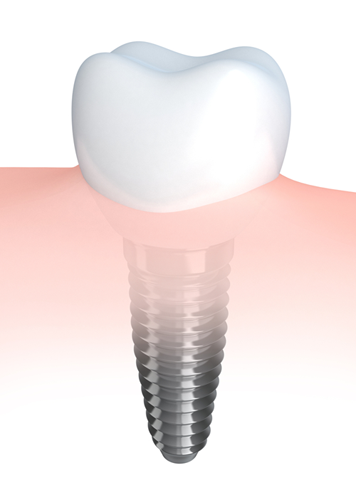
What exactly is a dental implant? A dental implant replaces your tooth root with a metal rod. It provides a solid structure on which to place a new tooth that is made to match your real teeth. Dental implants not only improve the overall look of your smile but they’re durable, convenient, and easy to take care of.

What are the steps to getting a dental implant? As your doctor, we will want to develop an individualized treatment plan that focuses on your specific needs. Once we have agreed on a treatment plan, the next step will be the placement of the implant in your jaw. The implant is made of titanium and once placed the jawbone will actually begin to grow around it. In about six to twelve weeks the implant will have completely bonded to your jaw and it will be time to attach a small post that connects your new tooth to the implant. We create a mold of your bite that allows us to create your new tooth. This replacement tooth is then attached to the post and the implant process is complete!

Lastly, how painful are dental implants and are they difficult to take care of? Most patients have said they experienced very little discomfort when receiving their implant. Many have even said the process is much less painful than a tooth extraction. Mild pain that may occur for a few days after you receive your implant can be treated with over-the-counter pain medication. Dental implants require the same care as your real teeth but generally they are much easier to clean and you don’t have to worry about cavities.

We hope this answers some of the questions surrounding dental implants. If you’re missing a tooth or teeth, give us a call to ask more about the procedure. We’ve seen many patients leave happy and comfortable with their improved smile!